Smart Irrigation Calendar by Plant: Optimizing Water by Zone and Season
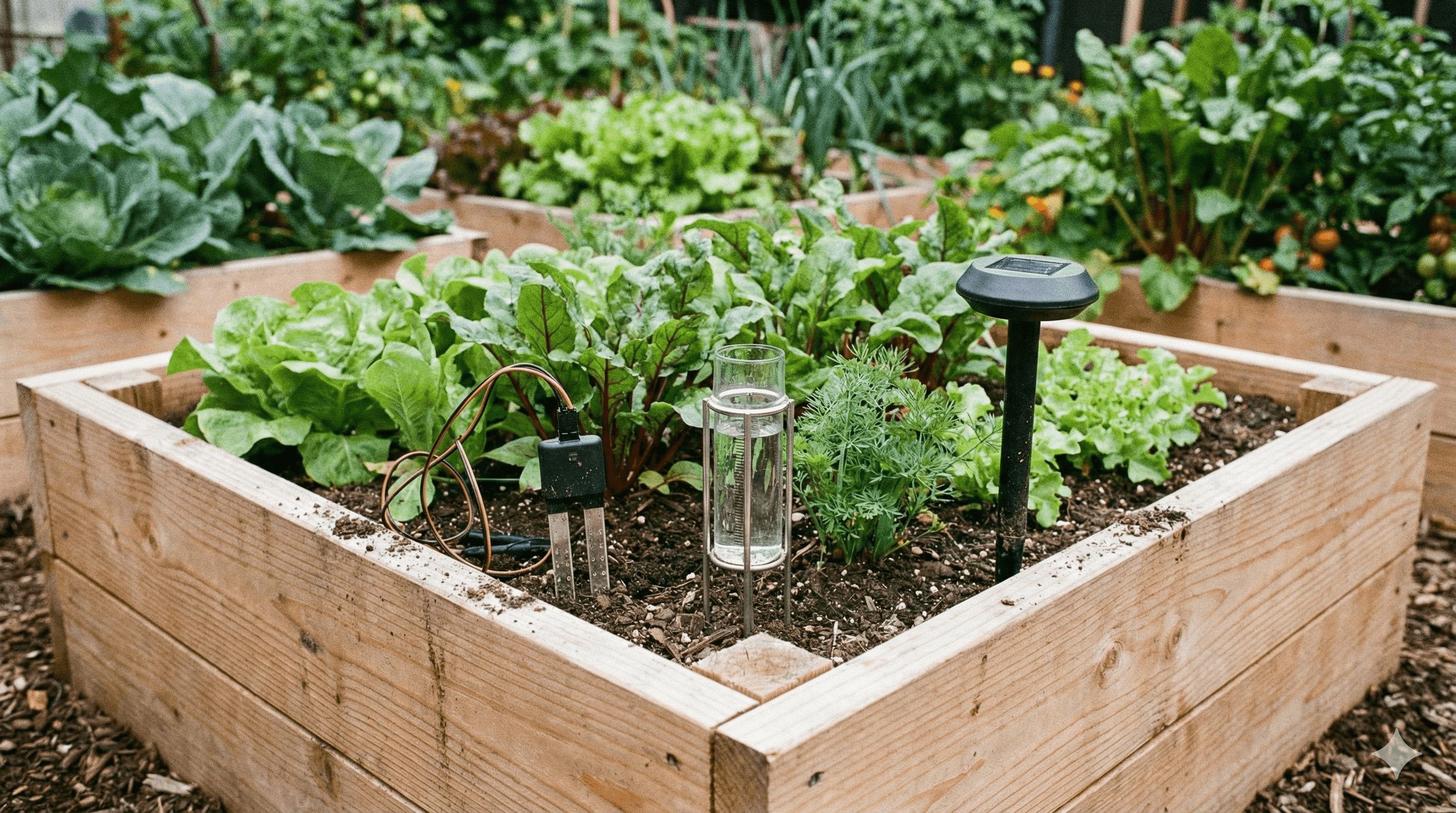
A complete guide to configuring your smart watering according to species, season, and garden zones — save water without stressing your plants.
Smart Watering Calendar by Plant: The Expert Guide
Why is it crucial to adapt your watering calendar to the specific needs of each plant? The answer lies in a delicate balance. Each plant species has its own requirements: lawns require short and frequent cycles to encourage surface root development, while flower beds and vegetable gardens thrive better with rarer but deeper water supplies. Understanding and respecting these differences is the first indispensable step to avoid water stress, prevent fungal diseases, and, of course, avoid wasting drinking water.
Understanding specific water needs
It is fundamental to differentiate the needs of your garden. The lawn, for example, requires a high frequency, especially in summer (often three times a week), but for short durations. Conversely, the vegetable garden will benefit from longer and more spaced-out watering, which forces roots to go down to seek moisture in depth, making plants more resistant. As for flower beds and perennials, their needs will depend heavily on the nature of your soil and the presence or absence of a protective mulch.
Poorly calibrated watering has direct consequences. Too frequent supplies create superficial roots and make the plant dependent ("lazy"), while too rare supplies cause water stress that stunts growth and reduces yields. Also beware of excess moisture which favors the development of fungal diseases like powdery mildew or botrytis.
Segmenting your garden into hydrozones
The key to successful watering lies in segmentation. It is a simple but terribly effective method: divide your garden according to water needs by creating three main typical zones. This organization will greatly facilitate the programming of your smart watering controller.
Imagine a Dry Zone, dedicated to Mediterranean plants, rockeries, and naturally draining soils that require little intervention. Then create a Normal Zone for your lawn and classic mixed borders. Finally, define a Wet Zone reserved for the vegetable garden or wooded corners having clay soil retaining water.
Do not forget special cases like slopes or soil type. On sloping ground, water runs off quickly; therefore prioritize more frequent but very short watering, or opt for micro-sprinklers to give the water time to penetrate. If your soil is clayey, it acts like a sponge: reduce the frequency but moderately increase the duration. Conversely, sandy soil will drain quickly and require closer supplies.
Mastering the settings of your smart controller
For each defined zone, you will need to adjust two essential values: duration and frequency. Keep in mind that duration determines the depth of water infiltration, while frequency ensures the maintenance of a constant moisture level.
In practice, for a lawn (Normal Zone), one generally aims for 10 to 20 minutes per zone, 2 to 4 times a week depending on the season. For a vegetable garden (Wet Zone), sessions of 20 to 40 minutes are preferred, but only 1 to 3 times a week depending on crops and weather.
The major asset of modern controllers (like Gardena, RainMachine, or Eve Aqua systems) is their ability to integrate local weather. They can automatically disable a scheduled session if it has rained recently. To go even further in precision, the ideal is to couple your system to a soil moisture sensor. This will cut off irrigation if the soil is still sufficiently moist, thus achieving valuable savings.
Examples of seasonal calendars
Here is a reference table to help you schedule your beginnings. These values are averages to adapt according to your region.
| Season | Lawn (normal zone) | Vegetable Garden (wet zone) | Flower Beds |
|---|---|---|---|
| Spring | 2x / week, 12 min | 1–2x / week, 25 min | 1–2x / week, 15–20 min |
| Summer (dry) | 3–4x / week, 15 min | 2–3x / week, 30–40 min | 2–3x / week, 20 min |
| Autumn | 1–2x / week, 10–12 min | 1x / week, 20 min | 1x / week, 10 min |
Expert Tip: Do not take these values for granted. Start with these settings, monitor your plants for two weeks, then adjust durations by ±20% according to your observations.
How to implement your strategy step-by-step
Rather than changing everything at once, proceed in logical steps. Start by mapping your garden to clearly identify your hydrozones. Then check the flow and pressure you have, as this is crucial if you are considering micro-sprinkling.
Once this analysis is done, install moisture sensors in one or two representative zones to have reliable data. Then set your controller with the values from the table above and imperatively activate weather integration ("Rain Delay"). Finally, let the system run for two to three weeks while monitoring your plants' reaction, and adjust if necessary.
Conclusion
A well-thought-out smart watering calendar is a double asset: it saves water, a precious resource, and visibly improves the health of your garden. Do not look for immediate perfection. Start small: segment your zones, install a first sensor, and refine your settings over the seasons. Your garden will thank you.
Related Articles
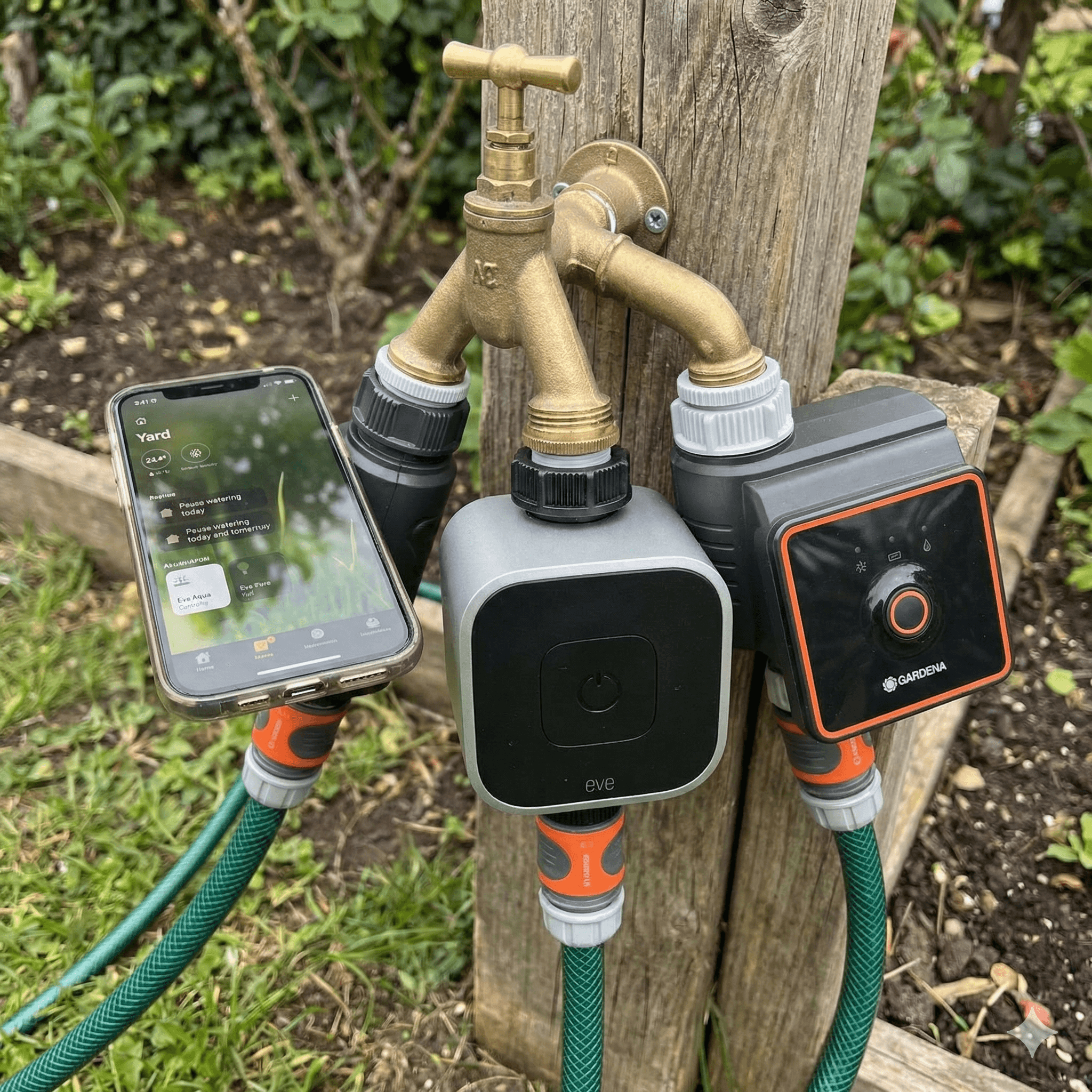
Eve Aqua vs Gardena Smart: Which Smart Irrigation for Apple HomeKit?
The clash of irrigation titans for iPhone. Should you choose Eve's Thread technology or Gardena's bridge reliability? Verdict after 3 months of testing.

Starting Smart Irrigation: What Budget to Cut Your Water Bill in Half?
From 25€ to 200€, how much does an installation that saves your plants and wallet really cost?